loader image

VortexFire

Fltr Service: Cultural & Heritage

  • Gorman House

    Gorman House

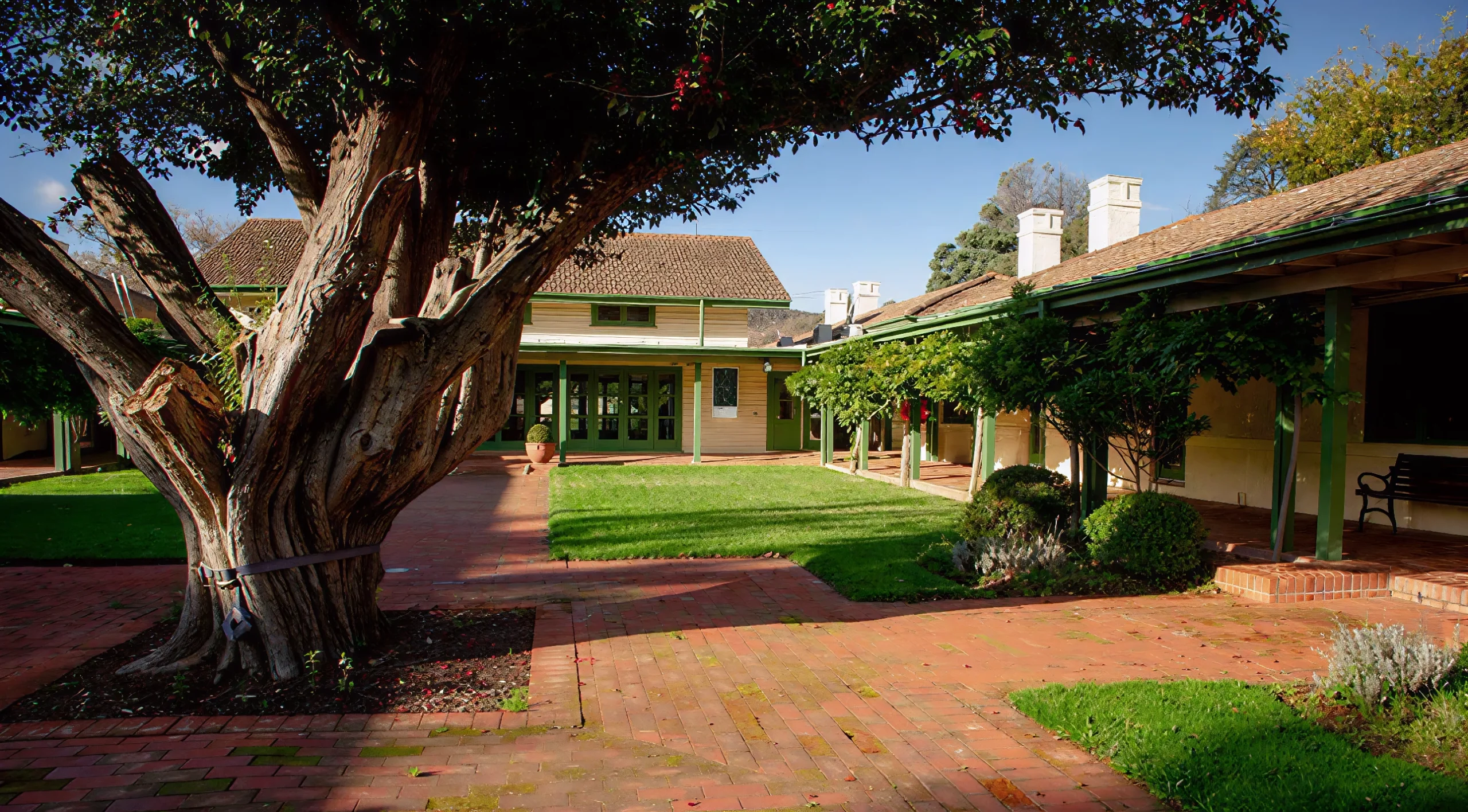
    Gorman House was originally built in 1925 as a hostel for public servants. Today, the historical building has been repurposed as the Gorman Arts Centre – a hub for the artists and the wider community of Canberra.


    Vortex Fire played a pivotal role in refurbishments of the building as Fire Engineering Consultants, ensuring compliance with all applicable fire safety codes and regulations mandated by the National Construction Code, while preserving the building’s architectural and historical significance. Vortex Fire also developed an Interim Fire Safety Strategy (IFSS) for the Gorman House Arts Centre renovation works.


    The project is a result of a partnership with Phillip Leeson Architects and Complete Constructions Australia, combining expertise to create a dynamic and innovative arts hub that meets the evolving needs of Canberra’s artistic community.


  • The Art Gallery Of Sudbury

    The Art Gallery Of Sudbury

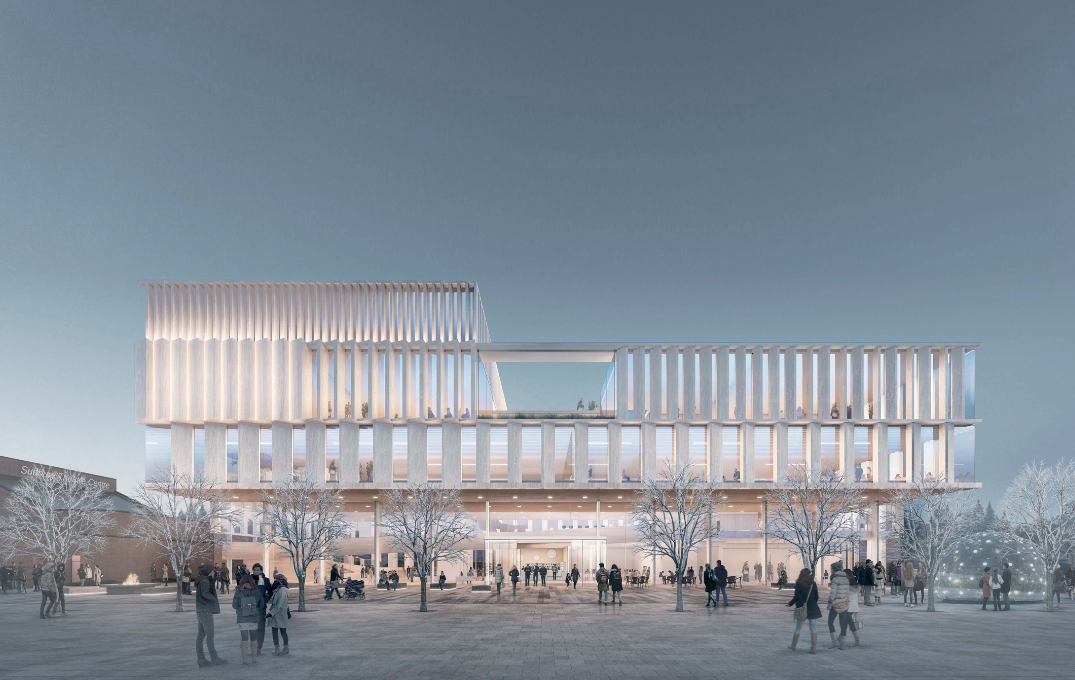
    The Art Gallery of Sudbury has been a prominent cultural institution since its establishment in 1967, initiated as a Centennial project by the Sudbury and District Chamber of Commerce.


    The new 104,000-square-foot Junction East building represents a significant addition to Sudbury’s cultural landscape, housing not only the Greater Sudbury Central Public Library but also the Art Gallery of Sudbury, the Sudbury Multicultural, and the Folk Arts Association. The building is envisioned as a central cultural hub for the city.


    Vortex Fire plays a crucial role in this project as the building code consultant. Their expertise has been instrumental in evaluating various massing and integration approaches, ensuring a robust fire safety strategy for the interconnected floor space, and defining spatial separation between buildings.

  • The Australian National Botanic Gardens

    The Australian National Botanic Gardens

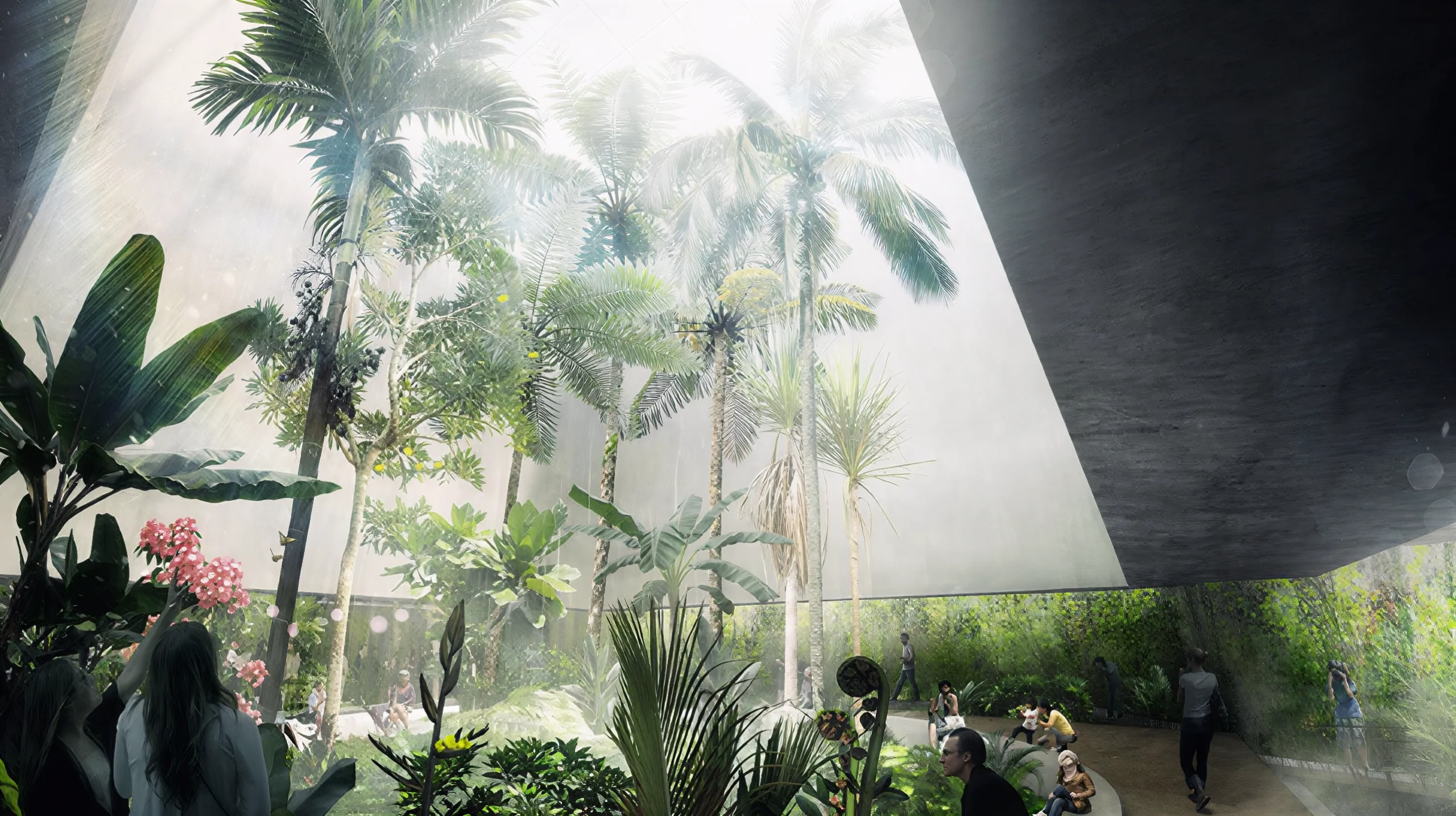
    The Australian National Botanic Gardens host the world’s largest collection of Australian native plants. The Ian Potter National Conservatory within the gardens showcases a variety of Australia’s tropical plant species – offering visitors an incredible display of plant diversity whilst also creating insurance for rare and threatened plant species.


    A highly competitive design competition was undertaken to select the architect for the project. The winning design of the Ian Potter National Conservatory was crafted by acclaimed Sydney architect CHROFI. The plans feature a “hovering cube” design, framing a void to the sky that illuminates the plant displays. Notably, the design deviates from traditional conservatory glass envelopes by offering a variety of spaces that enhance the immersive experience for visitors moving through the exhibit.


    Vortex Fire played a crucial role in this project as the Fire Engineering Consultants, ensuring compliance with all relevant fire-safety codes and regulations as required by the National Construction Code, whilst maintaining the creative design of the building.


    The project began construction in 2021 and is a key part of the Garden’s Master Plan 2015-2035.


  • Spain Pavilion Expo 2020

    Spain Pavilion Expo 2020

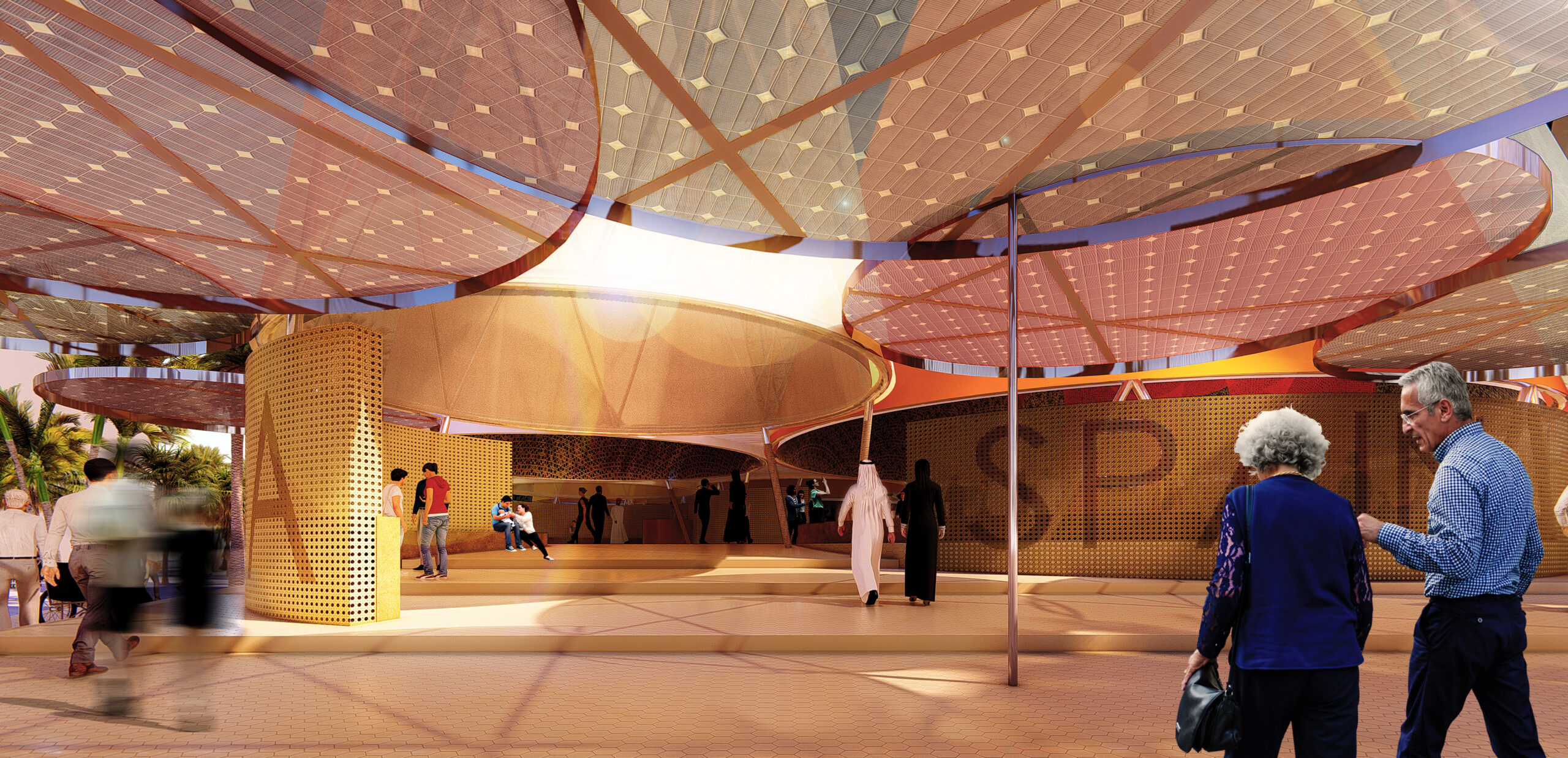
    The Spain Pavilion offers a diverse experience with a town square atmosphere, exploring everything from historical innovation and adventure to biodiversity and organ transplants.


    The pavilion features a series of conical volumes that allow increased airflow for cooling. The 6,000m² pavilion is based around a large square on which several large domes have been erected, acting as multi-purpose spaces, allowing visitors to explore, rest, read, and congregate. The pavilion has been built from reusable materials such as wood, iron, and fabric and is situated in the Sustainability District. The structure’s conical shape increases airflow to keep visitors cool as they enjoy traditional entertainment.


    Vortex Fire validated the fire safety strategy and ensured it is in accordance with the latest codes and standards.

  • Mohammed Bin Rashid Library

    Mohammed Bin Rashid Library

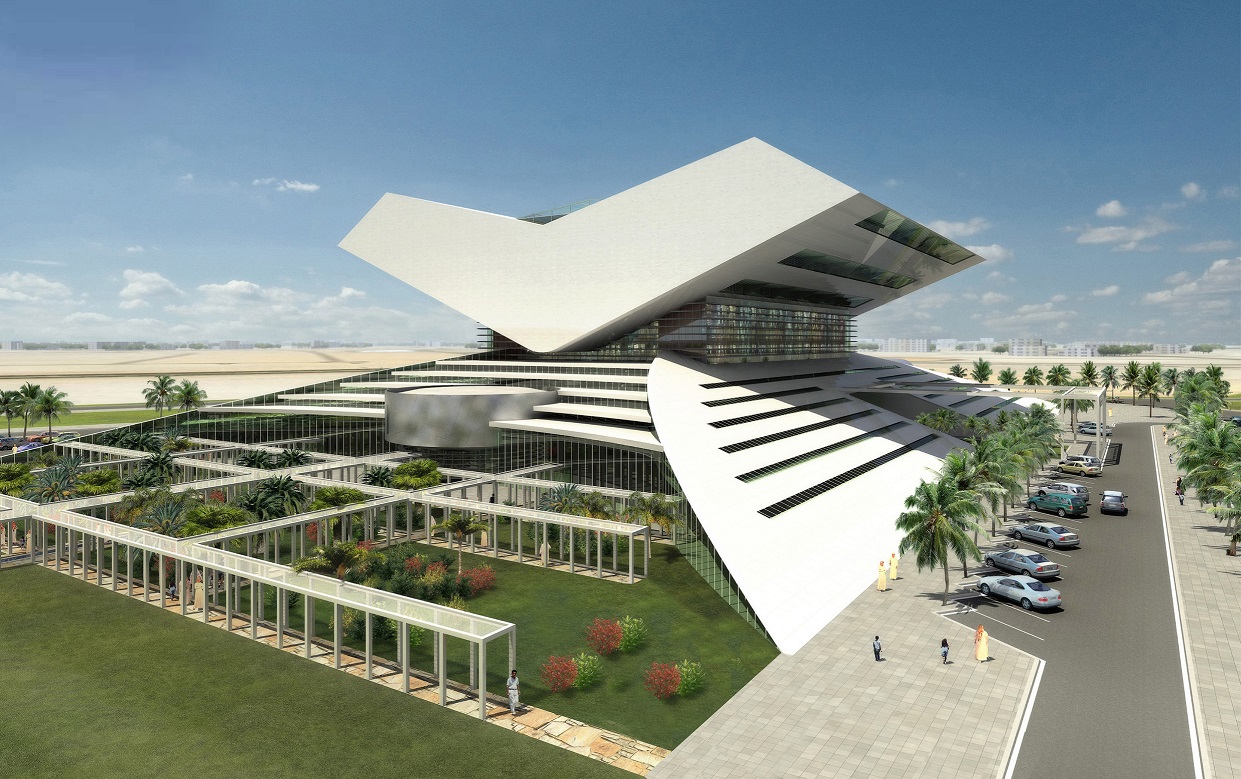
    The development consists of an 8-storey library building located in Al Jaddaf, Dubai. It is set to become the world’s largest electronic collection, housing over 1.5 million volumes, 1 million audio books, and 2 million e-books, making it the largest library in the Arab world.


    The project includes various sections such as administrative and technical areas, reading halls, a children’s library, a business library, an exhibitions center, a conference center, service areas, and training halls, all surrounding a large central atrium. The architectural concept of the library is symbolically based on the traditional lectern, or Rehl, which carries books, including the Koran. Just as the Rehl preserves cultural treasures, the library aims to preserve the cultural heritage of the nation in the form of literature, periodicals, and audiovisual media, but in a modern, 21st-century context.


    Vortex Fire was responsible for developing the fire strategy for the development and validating the atrium smoke extract system design using CFD fire and smoke modelling.

  • Gaslight Condos

    Gaslight Condos

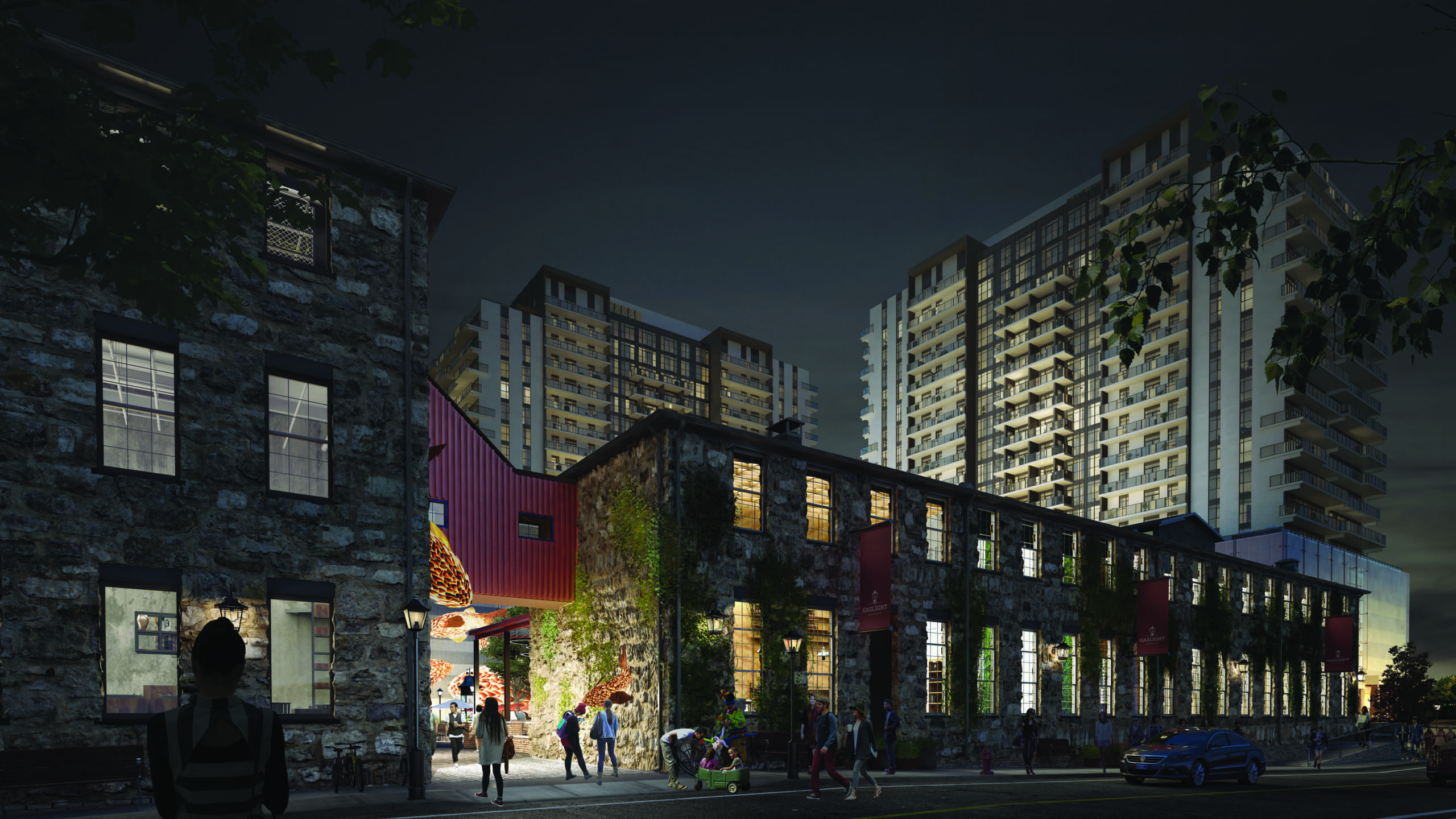
    Situated in historic downtown Galt, Cambridge, the Gaslight condominium project is a development consisting of four hundred units. It will feature residential, commercial, retail, art, dining, as well as community and cultural events spaces. The Gaslight District pays homage to Cambridge’s historic presence during the 1800s, reflecting the era when the streets were illuminated by the warm glow of gas lampposts crafted by the former Galt Gas Light Company.


    Tower 1 offers ample entertainment space, including professional fitness features such as a gym, yoga studio, and stylish change rooms, encouraging residents to prioritize their well-being within a five-star lifestyle setting. Tower 2 features over fifteen thousand square feet of indoor and outdoor activity space. The outdoor terrace offers a backyard experience, all within the convenience of high-rise living, allowing residents to enjoy social activities and leisure time while overlooking Gaslight Square and the Grand River.


    As the Building Code Consultant for the project, Vortex Fire reviewed the existing heritage buildings and new condominiums for compliance with the Ontario Building Code. This included egress, Part 11 analysis, spatial separation, and high building requirements.

  • Australian Academy of Science “Shine Dome”

    Australian Academy of Science “Shine Dome”

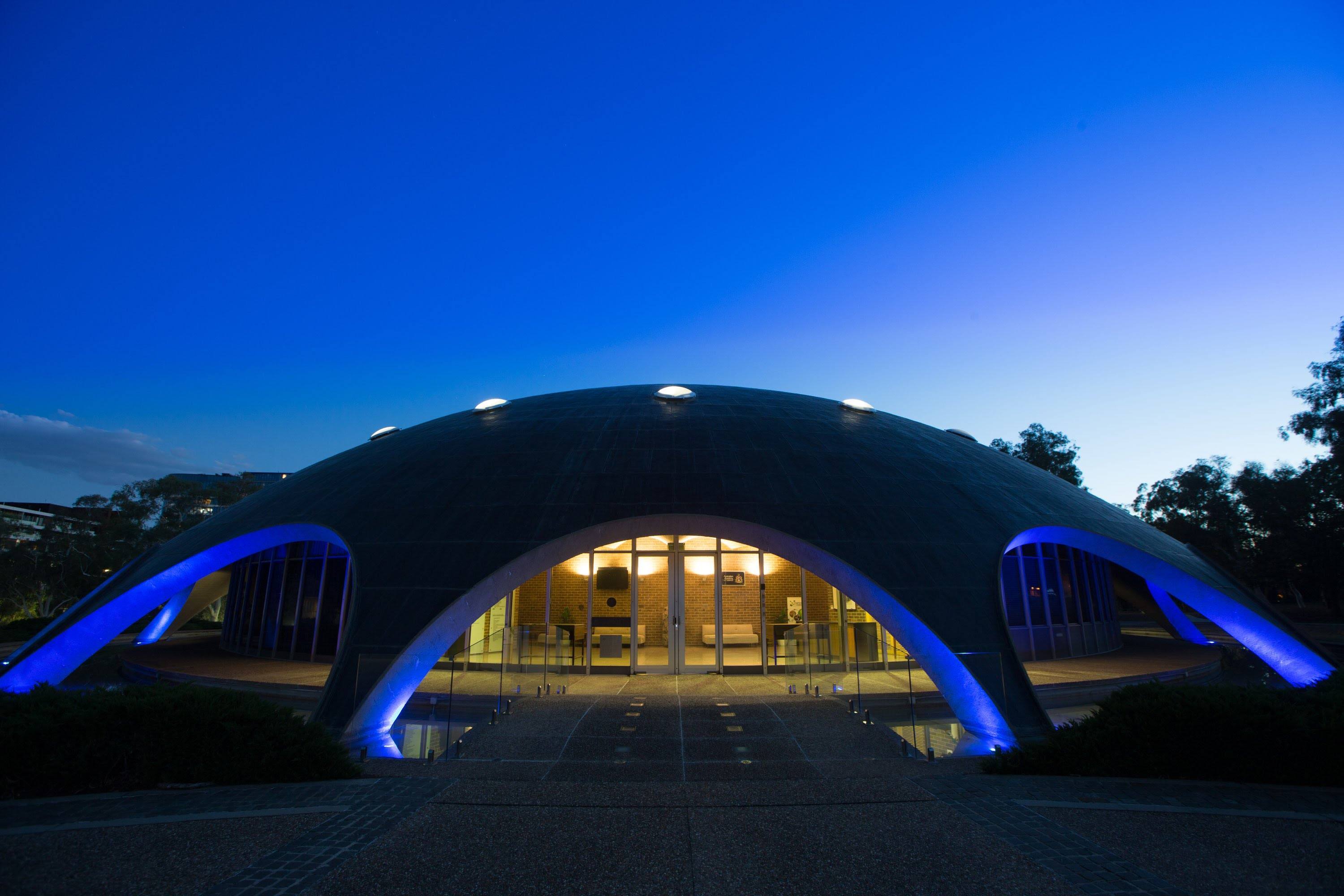
    A significant example of Australian architectural achievement which has become a symbol of Canberra. A finely conceived and executed synthesis on an uncompromising envelope and a specific function. The careful detailing is of a very high quality, internal details are designed specifically for the function contained, and the carefully detailed furnishings and fittings contribute to the good acoustics. The design complements its setting and reflects its Canberra environment of rounded hills. Won the 1959 Sir John Sulman Award, RAIA NSW Chapter, and the 1961 Canberra Medallion, RAIA ACT Chapter (the only ACT building to win two awards).

    Renovation

    The home of Australian science, the Shine Dome, will sport a shiny new top and be far more energy efficient as works begin to repair the damage from the January 2020 hailstorm which severely dented the dome’s copper roof tiles. Australian Academy of Science Chief Executive Anna-Maria Arabia said she is thrilled that the restoration works are underway. “When the Shine Dome was first built, its design was described as unconventional and futuristic. It created all sorts of challenges for the architects and engineers involved and the restoration is no different today,” said Ms Arabia. “This 21st century restoration of the Shine Dome will see innovative solutions used to bring the outside of the building back to its former glory.” The concrete roof of the dome is sheathed in copper—and under the copper is a layer of vermiculite which partly insulates the interior from outside temperatures. Rather than removing the existing copper tiles, the dome will be covered by a second layer of new copper, with a waterproof material placed between the two layers. The dual layer will create an innovative ventilated roof. Airflow between the copper sheets will provide insulation and improve the building’s energy efficiency. Work has begun to replace the copper over each of the 16 arches, where water drains from the roof into the moat. The original copper was intended to oxidise to a dark green-brown over 10 years, but the clean air of Canberra meant that it took much longer. The same will be true for the new copper which initially will be very shiny, fading to a dark brown over the coming 12 months and eventually to a light green over several decades. Completed in 1959 and designed by Roy Grounds to provide a home for the Australian Academy of Science, the Shine Dome, previously known as Becker House, was the first Canberra building to be added to the National Heritage List. It continues to attract worldwide attention and awards for its unique architectural design. The restoration work on the Shine Dome is being carried out by ARC Roofing and is expected to be completed by early 2022.


    ARC Roofing

    We are incredibly proud to have recently restored the roof of the Shine Dome which houses the Australian Academy of Science in Canberra after it received significant hailstone damage. Due to the heritage nature of the building and with the objective of not compromising or damaging the existing roof, the project was highly specialized and required us to utilize our industry-leading depth of skill and experience. Thanks to our in-house capabilities, we were able to provide drawings, engineering, fabrication, and installation; effectively a one-stop-shop solution.