
Close
Explosion risk and blast engineering is the specialist discipline of identifying explosion hazards, predicting the overpressure, impulse, heat and debris an explosion would produce, and determining how people, structures and critical systems can be protected from those effects.
Fire and explosion are different hazards, but on real projects they rarely stay separate. A battery fire can produce flammable gases that explode. A tunnel explosion can trigger a fire and change how smoke moves. A dust deflagration can spread into a building wide fire. Yet these risks are often assessed by different consultants, in different reports, against different assumptions.
Vortex Fire brings fire safety engineering and explosion engineering together. The same engineers who understand your fire strategy assess your explosion risk, so nothing falls between two reports. We identify, quantify and manage explosion risk on energy, transport, industrial and critical infrastructure projects, from early design through to operation, so that owners, designers and authorities work from one consistent, defensible picture of risk.
An explosion is a rapid release of energy that creates a pressure wave. Depending on the fuel and conditions, it may be a deflagration, where the flame front travels slower than the speed of sound, or a detonation, where it travels faster and produces far more severe effects. Either can injure people, damage structures and disable systems some distance from the source.
Explosion engineering answers four practical questions. What could explode, and how likely is it? How severe would the effects be at a given distance? What would those effects do to the people and structures nearby? And what is the most effective way to prevent, control or withstand them?

The answers drive real design decisions: where buildings and equipment are located, how enclosures are vented, how structures and facades are strengthened, how ventilation and gas detection are designed, and how emergency responders approach an incident safely.
Explosion risk is no longer confined to oil, gas and chemical plants. The energy transition and the growth of underground transit have brought explosion hazards into city centres, utility sites and public infrastructure:
Where we work
The foundation of every explosion study is understanding the hazard and its consequences. We apply recognised methods matched to the hazard, from screening calculations through to detailed modelling, so the level of analysis reflects the level of risk.
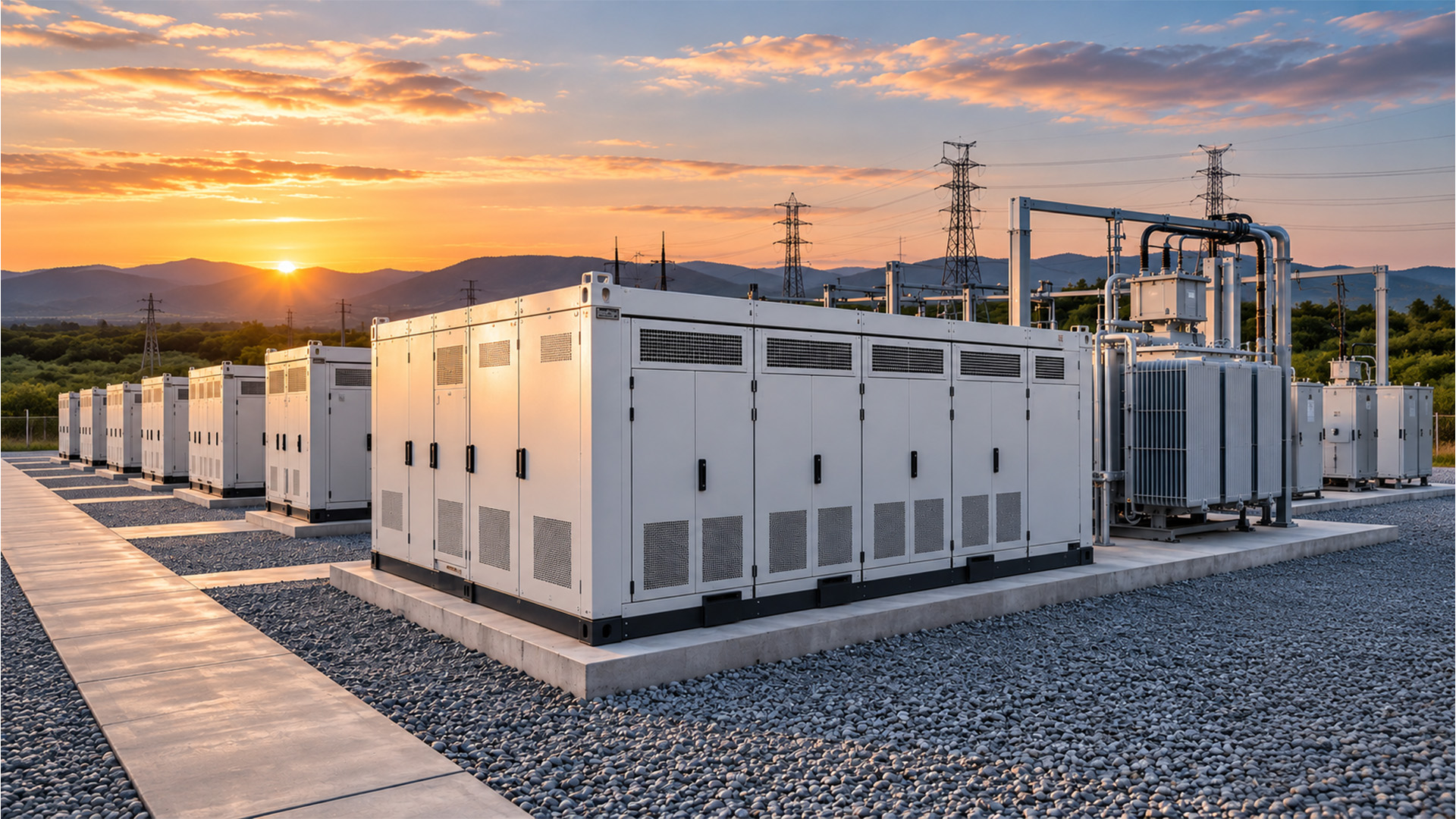
BESS projects sit where fire and explosion engineering meet. We support owners, developers, integrators and authorities from site layout through to approval and operation:
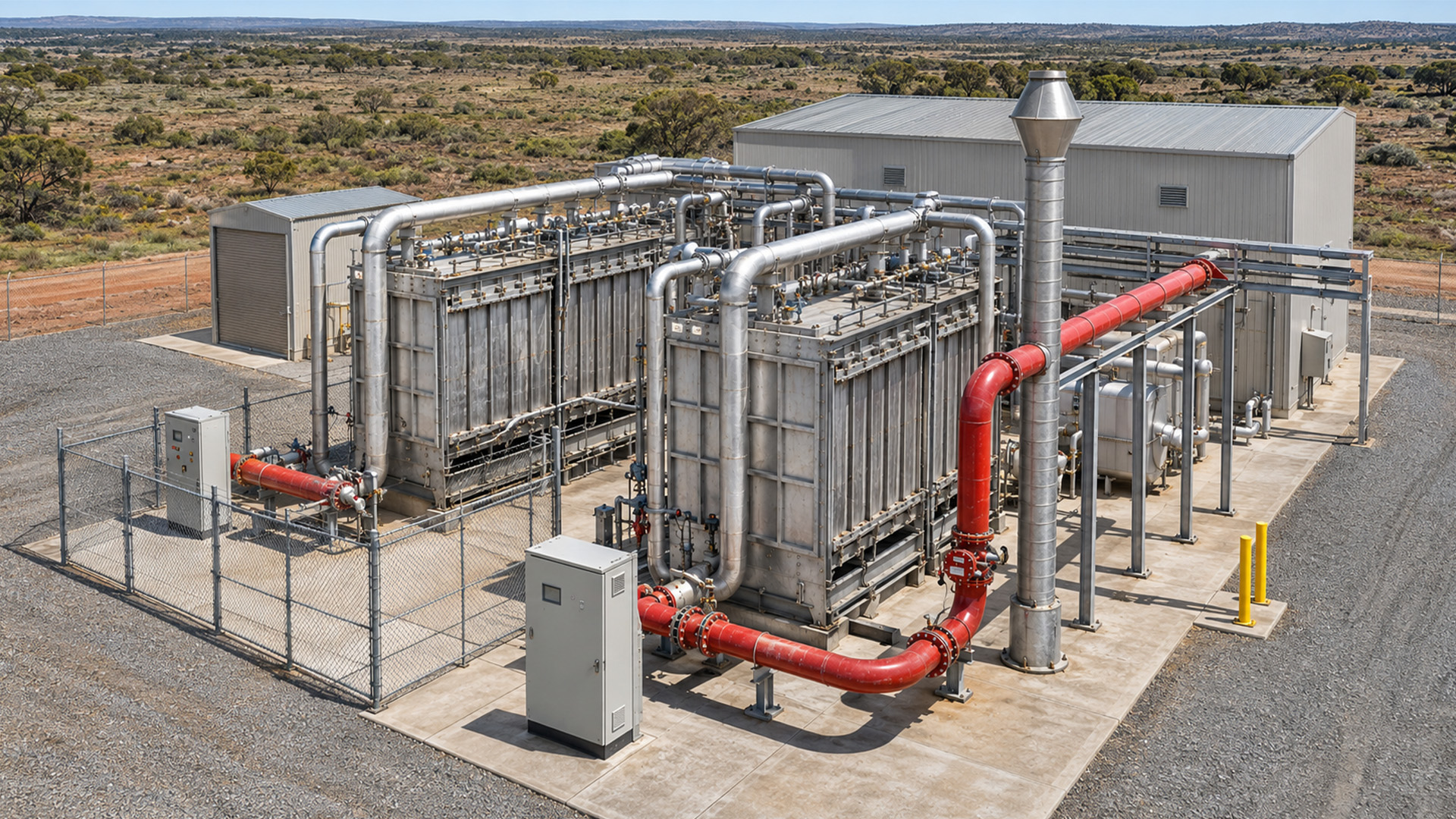
Hydrogen behaves very differently from conventional fuels. We provide the technical assessments needed to support safe design, code compliance and approval of hydrogen production, storage, distribution and refuelling facilities:
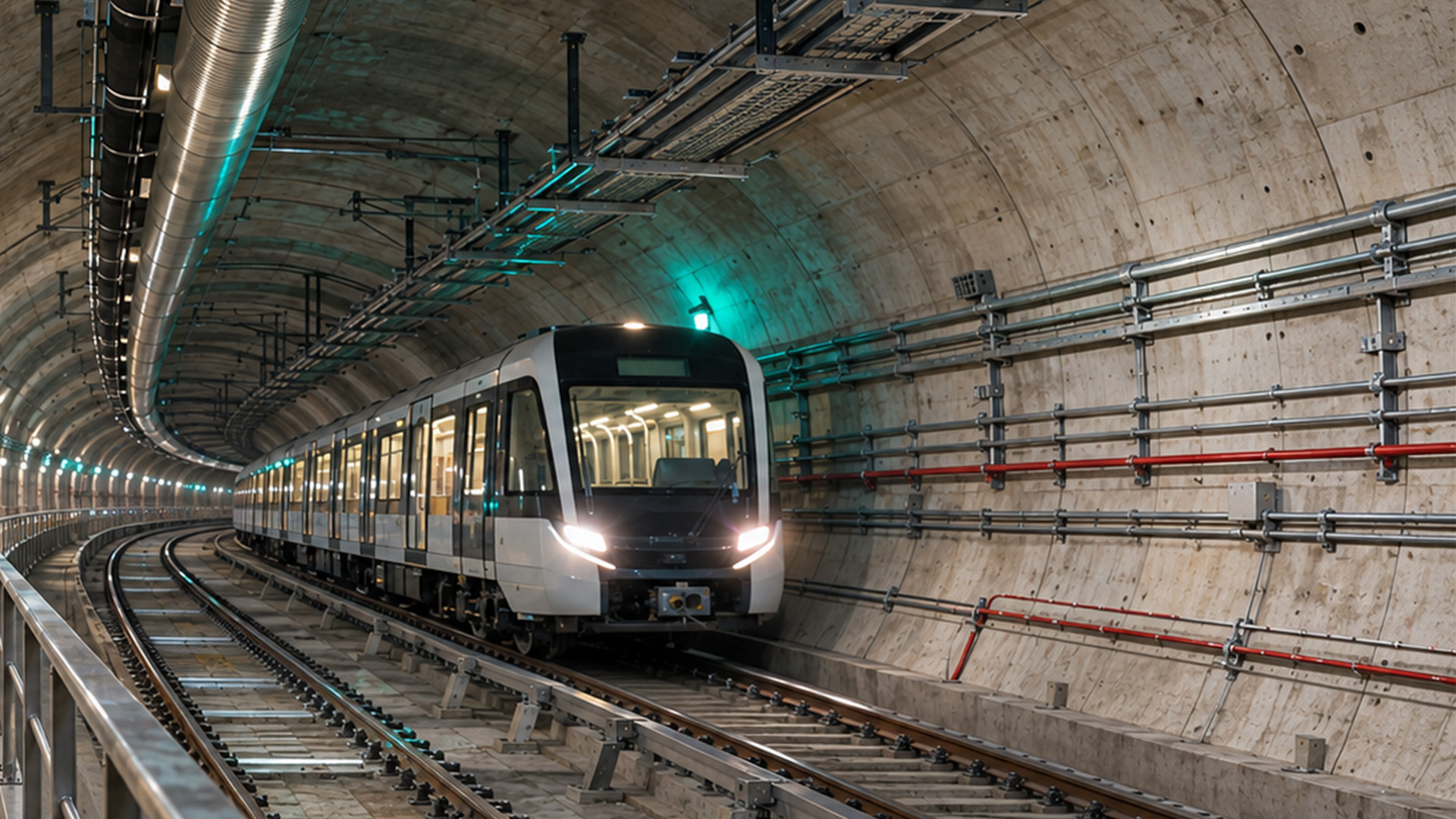
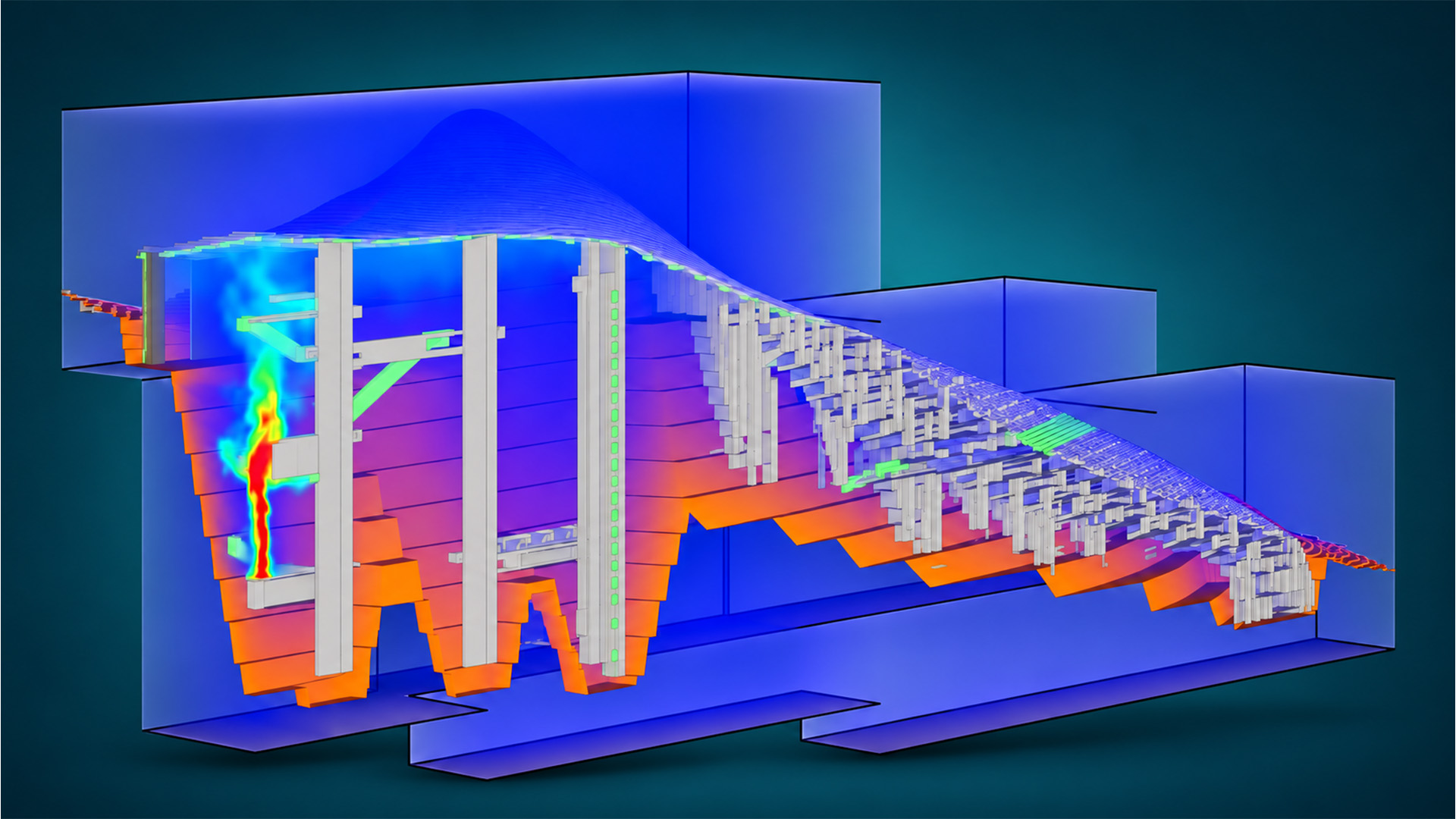
Our transit practice draws on extensive fire and life safety experience on metro, rail and tunnel projects. We understand how explosion and fire interact in confined underground spaces, and how both affect evacuation and emergency response.

Stations and platforms: blast effects assessments for platforms and concourses, passenger station vulnerability assessments, structural resilience evaluations and evacuation studies.

Rail and road tunnels: internal explosion analysis, tunnel overpressure modelling, assessment of smoke and blast interaction, tunnel hardening recommendations and emergency response planning.
Supporting infrastructure: protection assessments for control centres, depots, maintenance facilities, substations, signalling and communications buildings.
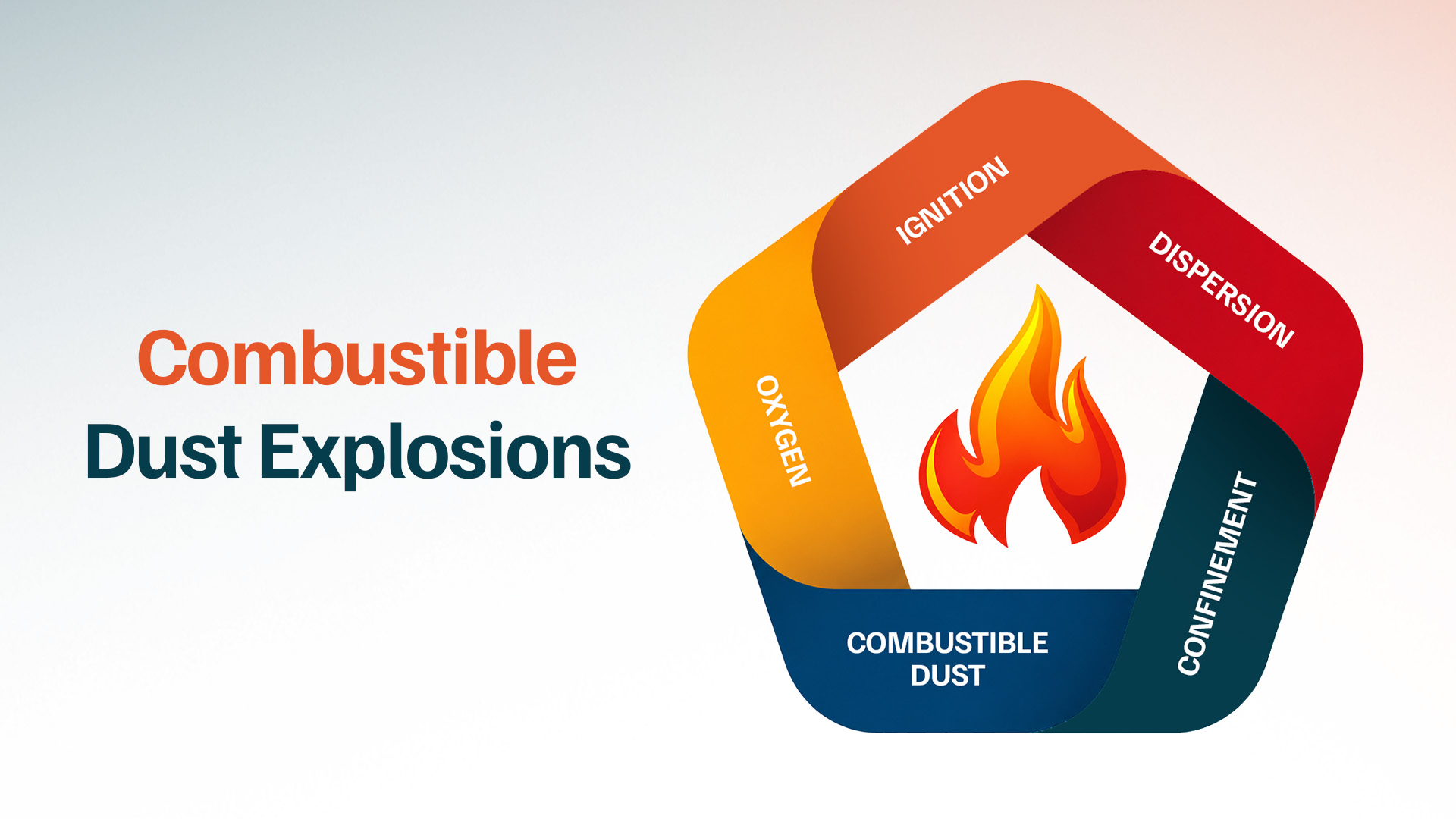
Combustible dust is a significant and often underestimated explosion hazard in food processing, wood and pulp, metals, chemicals, pharmaceuticals and recycling. We help owners and operators identify, assess and control dust explosion risks:
For government facilities, utilities, transport systems, data centres and other high value assets, we assess and reduce the consequences of deliberate or accidental blast events:
Every explosion study starts with a clear understanding of what the client, designer and authority need to decide. We then apply a proportionate approach: simple screening methods where they are sufficient, and detailed modelling where the consequences or the complexity justify it. This keeps studies focused, defensible and cost effective.
How we assess explosion and blast risk
Where explosion risk forms part of a wider safety case, our explosion studies integrate directly with fire risk assessment (FRA), Quantitative Risk Assessment (QRA), smoke modelling, evacuation analysis and performance based design, all delivered under one roof.
At Vortex Fire, every explosion study is appropriate for the facility and its use, in line with our company values:
We have an in depth understanding and proven experience with the application of local and international codes, standards and guidance relevant to explosion and blast engineering, which include:
A blast effects assessment predicts the overpressure, impulse, heat and debris an explosion would produce and evaluates the effects on people, buildings and structures nearby. It is used to guide building siting, protective design and emergency planning.
An EHA identifies where and how an explosion could occur, estimates its likely severity and assesses whether the explosion control measures provided are adequate. For battery energy storage systems, it typically draws on UL 9540A test data to understand the gases released during thermal runaway.
NFPA 855 requires explosion control for many lithium ion battery energy storage installations, typically through deflagration venting to NFPA 68 or explosion prevention to NFPA 69. The exact requirements depend on the edition adopted, the system and the authority having jurisdiction, so they should be confirmed for each project.
In a deflagration, the flame front travels slower than the speed of sound. In a detonation, it travels faster, producing much higher pressures and more severe damage. Most accidental gas and dust explosions are deflagrations, but some conditions can lead to detonation.
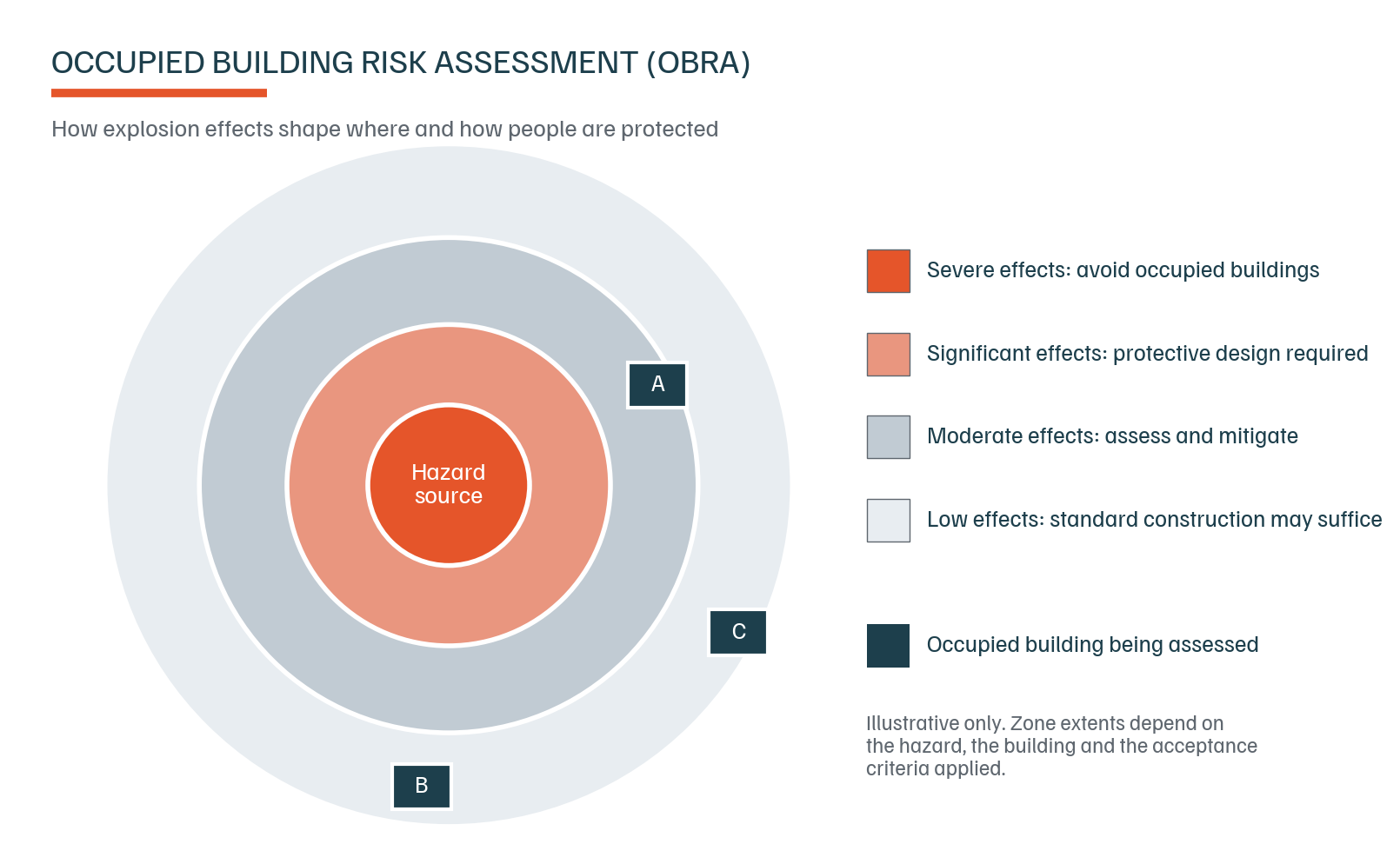
An OBRA evaluates the risk to people inside buildings located near potential explosion, fire or toxic release hazards. It determines whether buildings are suitably located and constructed, and what protective measures are needed.
Yes, and it is the most effective time to do so. Assessing explosion risk early allows layout, separation, venting and structural decisions to be made before construction, when changes cost least.
Explosion engineering quantifies one category of hazard in detail. Its outputs often feed into a wider fire risk assessment (FRA) or Quantitative Risk Assessment (QRA), which considers all relevant hazards together to judge whether overall risk is acceptable.
Whether you are planning a BESS or hydrogen project, designing transit infrastructure, or need to understand explosion risk at an existing facility, we can advise on the right level of assessment from the outset. Contact your nearest Vortex Fire office to discuss your project.